
The Modern Addiction to Constant Distraction
We currently live in an era where avoiding boredom has become a default state. The moment we feel a lull in our day—whether we are waiting in line at the grocery store, sitting on a bus, or simply having a quiet evening at home—we instinctively reach for our phones. We fill every available gap with podcasts, social media scrolling, or news updates. This modern addiction to constant distraction means that our minds are constantly processing new input, leaving virtually no room for quiet reflection. While staying informed and connected has its benefits, this relentless stream of information comes at a significant cost to our mental clarity. We are gradually losing the ability to sit quietly with our own thoughts. By filling every void, we prevent our brains from entering the resting state that is so crucial for deep thinking and problem-solving. Acknowledging this habit is the first step toward reclaiming our mental space and understanding the value of unplugging.

What Boredom Actually Does to the Brain
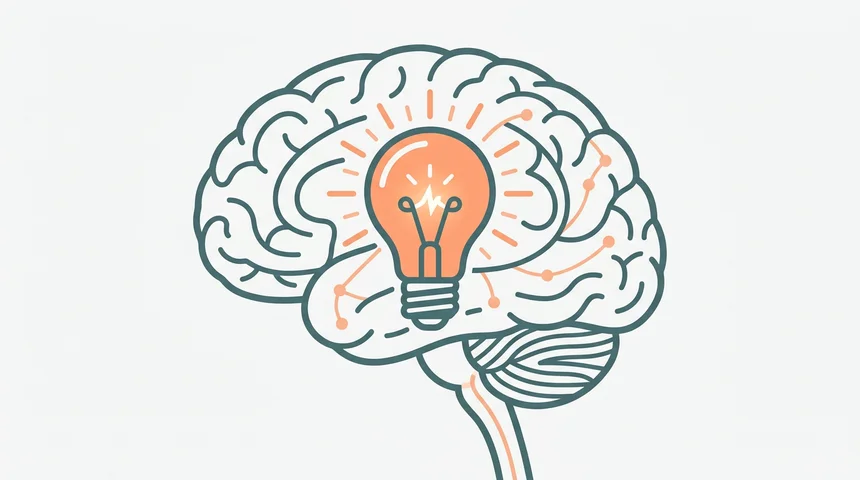
When we allow ourselves to feel bored, something fascinating happens neurologically. Boredom triggers a network in the brain known as the "default mode network." This is the area responsible for self-reflection, thinking about the future, and connecting disparate ideas. What boredom actually does to the brain is force it to look inward rather than outward for stimulation. Because there is no immediate task or entertainment to focus on, the mind begins to wander. It starts sifting through stored memories, combining old knowledge with new observations. This state of mental wandering is the exact fertile ground where original ideas are born. Far from being an empty or useless state, boredom is actually an incredibly active period for the subconscious mind. It is during these seemingly idle moments that we often experience sudden flashes of insight or figure out solutions to problems that have been bothering us for days.
Giving Yourself Permission to Unplug
Despite the obvious benefits, many of us feel a persistent sense of guilt when we are not doing something "productive." We equate stillness with laziness. Giving yourself permission to unplug requires a conscious shift in how you view rest. It means actively deciding that doing nothing is a valid and necessary activity. This can be surprisingly difficult in a culture that praises constant busyness. However, just as physical muscles need rest after exercise to grow stronger, our cognitive faculties need breaks to function optimally. You have to grant yourself the grace to put the phone in another room, turn off the background noise, and simply exist for a while. You might feel a twitch of anxiety or an urge to check your notifications at first, but with practice, this discomfort fades. Allowing yourself this downtime is not a waste; it is an investment in your overall well-being and a crucial maintenance routine for a healthy mind.
Cultivating Spaces for Empty Time
To truly reap the benefits of an unstructured mind, you have to intentionally create the environment for it. Cultivating spaces for empty time means scheduling periods in your day where you have absolutely no agenda. It could be as simple as taking a twenty-minute walk without listening to music, sitting on your porch with a cup of tea, or simply staring out the window. During these times, you are not trying to meditate or achieve any specific mental state; you are just letting your thoughts drift wherever they want to go. Making this a regular practice helps train your brain to become comfortable with the absence of external stimuli. You might find it helpful to designate a specific physical area in your home where screens are not allowed. By protecting these pockets of time and space, you create a reliable sanctuary where your mind can decompress, reset, and prepare for the demands of the rest of the day.
Reaping the Unexpected Rewards
The practice of letting yourself be bored may start as a simple exercise in discipline, but the outcomes are often profound. Reaping the unexpected rewards of this practice reveals itself in various ways. You may notice that you feel more patient in your interactions with others, as your baseline level of stress has decreased. You might find that you have more original ideas at work, or that a creative hobby you had abandoned suddenly feels appealing again. Moreover, embracing boredom helps you become more comfortable with your own company. When you are no longer running away from your internal dialogue, you develop a stronger, more resilient sense of self. The ability to sit quietly, observe your surroundings, and let your imagination roam is a quiet superpower. It transforms ordinary, mundane moments into opportunities for quiet discovery and sustained mental clarity.